 INDEX
Estimates Only
Melt values are estimates only. Always verify current spot prices and calculations before making financial decisions.
Classic Gold Coins (1795-1933)
All US gold coins from 1795-1933, including Quarter Eagles, Half Eagles, Eagles, and Double Eagles
Spot price as of November 26, 2026
Classic Gold Coins (1795-1933)
All US gold coins from 1795-1933, including Quarter Eagles, Half Eagles, Eagles, and Double Eagles
| Coin | Fine | AGW | Qty | FV | Melt |
|---|---|---|---|---|---|
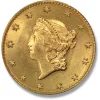 $1 $1 Gold Dollar 1849-1889 | 90% | .0484 | $ | $173.03 | |
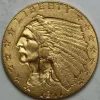 $3 $2.50 Quarter Eagle 1834-1929 | 90% | .1209 | $ | $432.48 | |
| $3 $2.50 Quarter Eagle (Early) 1796-1834 | 91.7% | .1289 | $ | $461.14 | |
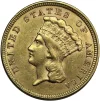 $3 $3 Gold 1854-1889 | 90% | .1451 | $ | $519.16 | |
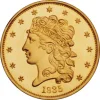 $5 $5 Half Eagle 1834-1929 | 90% | .2419 | $ | $865.32 | |
| $5 $5 Half Eagle (Early) 1795-1834 | 91.7% | .2578 | $ | $922.24 | |
| 90% | .4838 | $ | $1,730.65 | ||
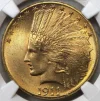 $10 $10 Eagle (Early) 1795-1804 | 91.7% | .5156 | $ | $1,844.48 | |
| 90% | .9675 | $ | $3,460.94 |

How to calculate the melt value of a US gold coin
Melt value is the actual gold weight (AGW) of a coin, in troy ounces, multiplied by the gold spot price. The table above does this for every classic US gold denomination at the current spot price.
Classic US gold coins are not pure gold. Most were struck in an alloy of 90% gold and 10% copper, so a coin weighs more than its gold content.
Gold content by denomination
$1 Gold Dollar, 1849-1889: 0.0484 troy oz of gold.
$2.50 Quarter Eagle, 1834-1929: 0.1209 troy oz of gold.
$2.50 Quarter Eagle (Early), 1796-1834: 0.1289 troy oz of gold.
$3 Gold, 1854-1889: 0.1451 troy oz of gold.
$5 Half Eagle, 1834-1929: 0.2419 troy oz of gold.
$5 Half Eagle (Early), 1795-1834: 0.2578 troy oz of gold.
$10 Eagle, 1838-1933: 0.4838 troy oz of gold.
$10 Eagle (Early), 1795-1804: 0.5156 troy oz of gold.
$20 Double Eagle, 1849-1933: 0.9675 troy oz of gold.
Why classic gold sells above melt
Even common-date classic gold coins usually trade above melt value, because the supply is fixed and collectors compete with bullion buyers for them. Scarce dates and high grades sell for much more than their gold.
Use melt value as the lowest reasonable price for a coin, not as its market value.
Important Notes
- Melt values represent the intrinsic precious metal content only
- Actual coin values may be higher due to numismatic premiums
- Spot prices fluctuate throughout the day - refresh page for latest prices
- ASW = Actual Silver Weight, AGW = Actual Gold Weight