 INDEX
INDEX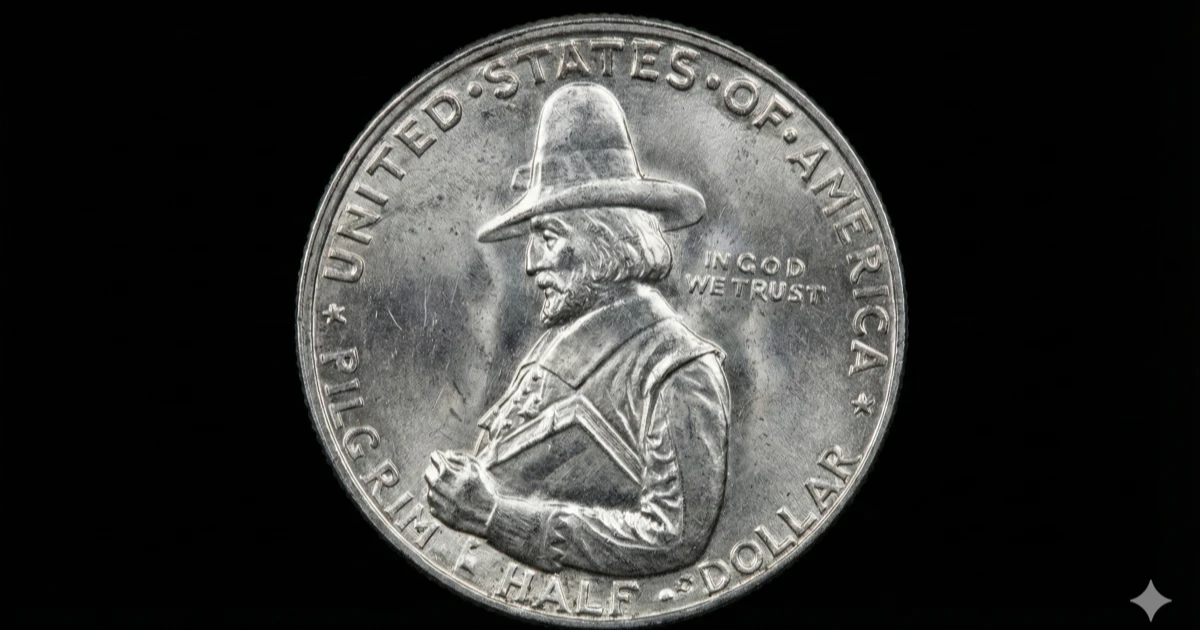
Classic Commemorative Half Dollars: Silver Souvenirs of American History
In 1892, the Remington Typewriter Company paid $10,000 for a single half dollar. It wasn't a rare error or an ancient relic—it was the very first commemorative coin struck by the United States. That purchase kicked off a chaotic sixty-year experiment in American numismatics defined by artistic triumphs, fundraising scandals, and wild speculation.
What Are Classic Commemoratives?
Between 1892 and 1954, the U.S. Mint produced 48 different commemorative half dollar designs. These legal tender silver coins weren't meant for spending; they were fundraising tools. Private groups—historical societies and memorial committees—bought them from the Mint at face value and sold them to the public at a premium.
The profits built monuments and funded celebrations. Eventually, they just funded the pockets of savvy promoters.
Explore current pricing for all 48 designs →
Stories in Silver
The First Souvenir (1892)
The Columbian Exposition half dollar launched the series to fund Chicago's World's Fair. The plan: mint millions, sell them for $1 each, and profit.
The reality: they minted too many (2.5 million). When the fair closed, unsold coins were dumped into circulation. For decades, you could find these "rare" souvenirs in your pocket change, worn smooth by commerce.
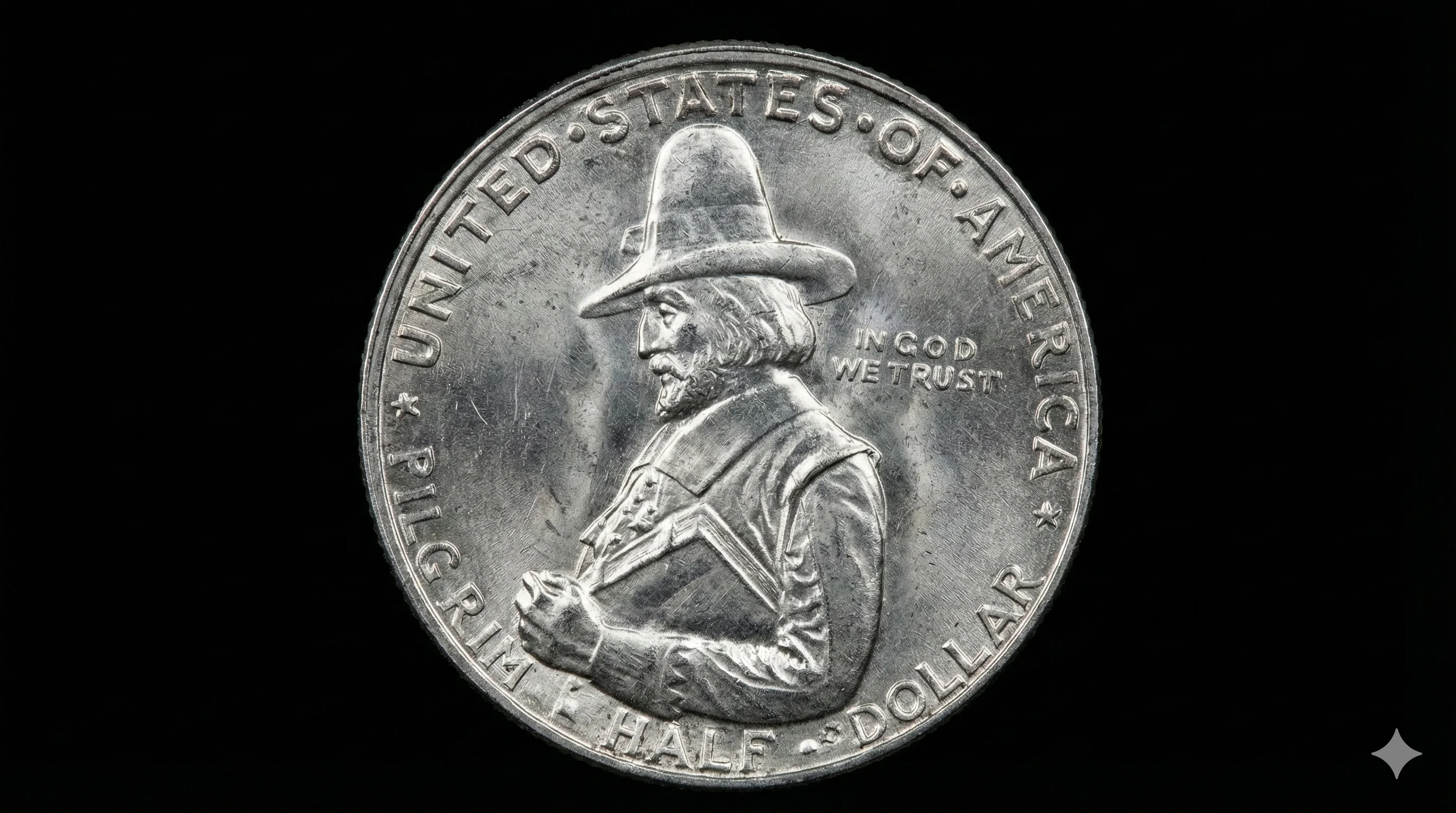 The 1920 Pilgrim Tercentenary half dollar honors the Plymouth Colony's 300th anniversary
Gold Rush Nostalgia (1915)
The 1915 Panama-Pacific Exposition in San Francisco produced the most ambitious commemoratives ever: massive $50 gold pieces (round and octagonal) containing nearly 2.5 ounces of gold.
They were spectacular failures. At $100 each (a fortune in 1915), hardly anyone bought them. Of the 3,000 minted, fewer than 1,200 survived; the rest were melted down by the Mint. Today, the survivors trade for six figures.
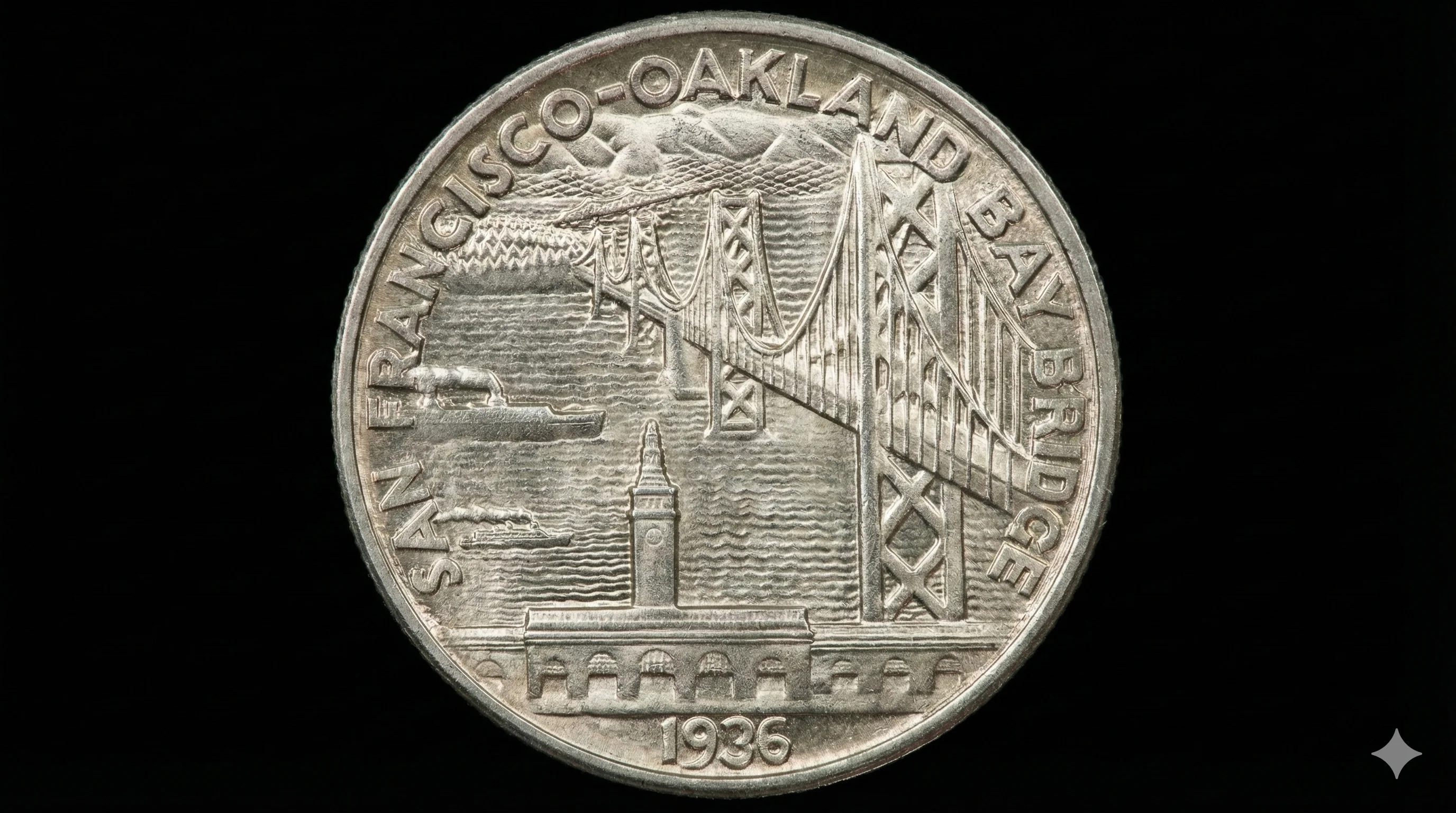 San Francisco's Panama-Pacific Exposition commemoratives rank among the most coveted American coins
The Depression Bubble (1930s)
During the Great Depression, people craved tangible assets. Promoters realized they could market "limited edition" coins as guaranteed investments.
This led to abuse. The Oregon Trail Memorial half dollar was issued for 15 years (1926-1939) across three different mints, forcing collectors to buy dozens of identical-looking coins to keep their sets complete.
The nadir was the 1936 Cincinnati Musical Center half dollar. Dealer Thomas Melish invented a "musical anniversary" for Cincinnati, bought the entire 15,000-coin run himself, and immediately claimed they were "sold out." He then sold them through associates at 500% markups.
Curiosities
Some coins were just weird.
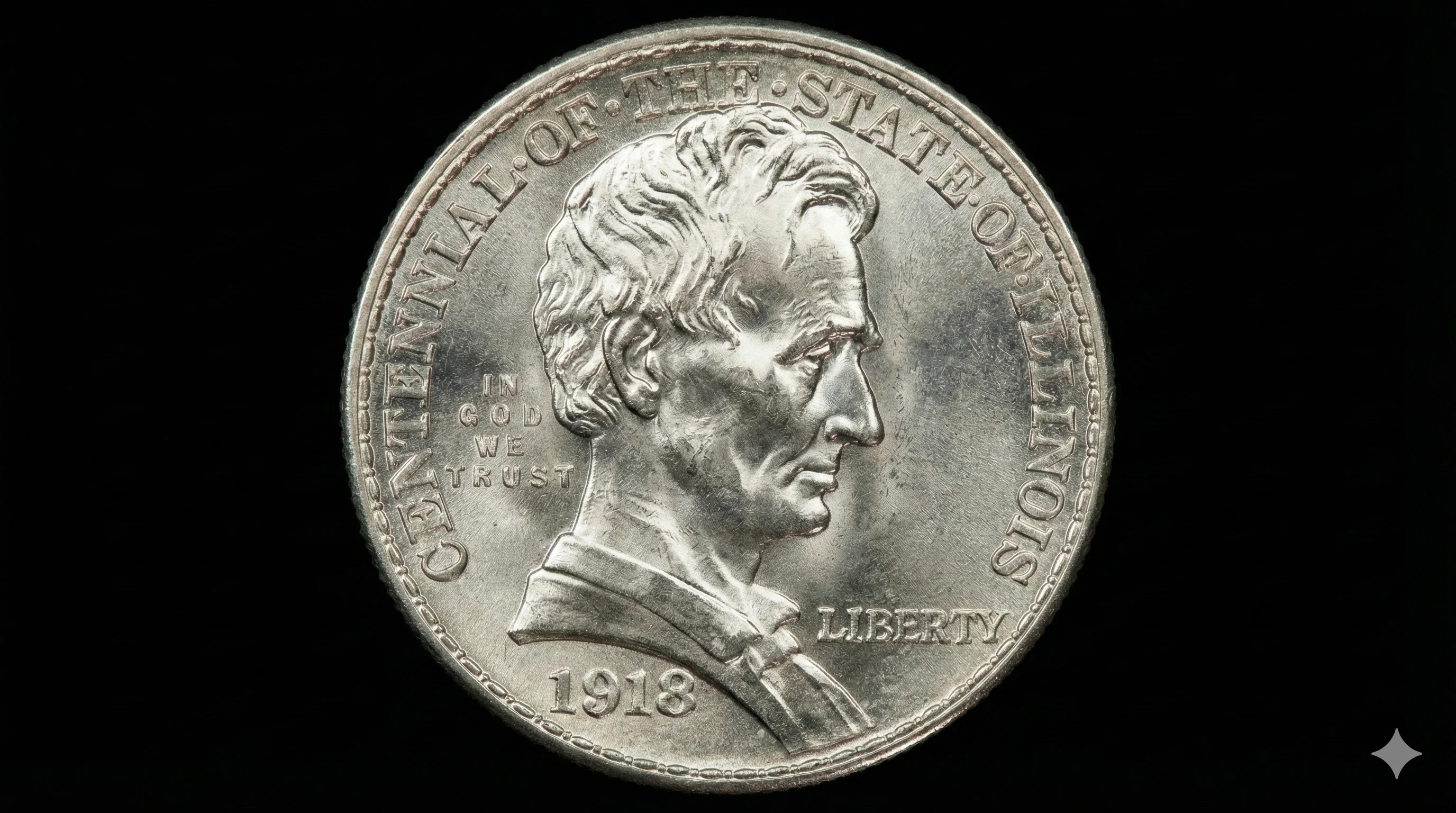 The Lincoln commemorative half dollar showcases the artistic ambition of the classic era
- New Rochelle (1938): Commemorating a 1688 land deal, this coin depicts a "fatt calfe" being led by a settler. The artist insisted on using a live calf model for accuracy.
- Bridgeport (1936): Featured P.T. Barnum, the man who (allegedly) said "There's a sucker born every minute." The irony of putting him on a coin sold to speculators was lost on no one.
The End (1954)
By the late 1930s, Congress was tired of the scams. President Eisenhower finally killed the program in 1954, vetoing new bills to stop the "multiplicity of designs" that confused the public and encouraged counterfeiting. The classic era was over.
Why Collect Them Today?
The scams are ancient history; the artistry remains.
- Completable: A full 48-piece type set is a challenging but achievable lifetime goal.
- Silver Floor: Every coin contains 90% silver, providing intrinsic value.
- History: From the first U.S. coin depicting a woman (1893 Isabella Quarter) to Civil War anniversaries, they cover the breadth of the American story.
Getting Started
Affordable Entry:
- Columbian Exposition: Historic and plentiful.
- Booker T. Washington: The most common later issue.
- Stone Mountain: A beautiful design with over 1 million minted.
Key Rarities:
- 1928 Hawaiian: Only 10,000 minted; the key to the series.
- 1935 Hudson: A low-mintage coin famously hoarded by dealers.
Representative Mintages
| Coin | Year(s) | Mintage | Notes |
|---|---|---|---|
| Columbian Exposition | 1892-93 | 2,500,000 | First U.S. commemorative |
| Panama-Pacific (Half) | 1915 | 27,134 | Part of the legendary Pan-Pac set |
| Stone Mountain | 1925 | 1,314,000 | Confederate memorial |
| Oregon Trail | 1926-39 | 202,000 | Spanned 15 years of issues |
| Hawaiian | 1928 | 10,008 | The "King" of the series |
| Hudson, NY | 1935 | 10,008 | Famous market manipulation |
| Cincinnati Musical | 1936 | 15,000 | The "Pirate" hoard |
| Booker T. Washington | 1946-51 | 1,000,000+ | Common, affordable silver |
Track live pricing across all 48 designs: Commemorative Half Dollar Summary →